I opened my eyes and looked at the alarm clock next to my bed. For the first time in days, I had managed to sleep. It was 7 and I was in no hurry to get up, but I no longer felt... I no longer felt the tingling in my legs. I felt nothing.
I fixed my gaze on the photo hanging beside me. The one where I stood leaning against my car, at the Piana di Castelluccio. Standing. I didn't have the courage to try. The moment had arrived - that moment. I wasn't ready. The whirlwind of thoughts continued to envelop me and, as I often do in these cases, my brain told my body to let the thoughts tangle among themselves while I acted. I turned and placed my feet on the ground. I felt the floor beneath me. I stood up. I felt no pain. I tried walking in various directions. I moved. Apart from the back pain, everything from the legs down was fine. Everything was fine. Everything was fine. I sat back on the bed and, finally, managed to cry.
It was a cool but sunny morning in March 2007. I had an appointment at the training center I collaborated with. The goal was to present new courses on Open Source operating systems, focused on Linux and BSDs. The attendees were system administrators expert in other OSs who wanted to approach the open-source world in a systematic, complete, and guided way. I liked it, I liked it a lot, so by 10:15 I was already in the saddle of my trusty Suzuki Burgman scooter. Bologna's traffic, at that hour, was decidedly less intense, but parking a car would have been impossible. Besides, it was a beautiful day; two wheels were undoubtedly the best way to move. I had time, so I planned to enjoy the ride calmly, already thinking about how to present my ideas to the organizers. Smiling, positive, optimistic.
I left the house and put all my documents under the seat, safely stowed. I opened the gate and edged the nose of the scooter out. No cars were coming, so I decided to set off slowly. The limit was 50 km/h, but I had just left, so I was advancing much, much slower. A few meters later, as I was proceeding, I saw something out of the corner of my left eye. Then I felt a blow and lost control of the Burgman. Instinctively, I threw myself off the vehicle, sliding on the asphalt. My gloves, helmet, and jacket completely cushioned the blow, and in a split second, I realized I had made the right choice, without yet understanding what had happened. I was going so slowly that I slid for very little distance; I was already stopped and ready to get up. Before I could even focus, I felt a very strong blow to my back, without feeling any pain. Again, I didn't understand, but I saw the handlebars of the Burgman coming closer right after. Instinctively I stood up, immediately, and turned around.
There was a car, a Fiat Punto, and my scooter near me. The car was trying to maneuver to get around the "obstacle", but I understood immediately, from the damage, that it was a car - that car - that had hit me. I planted myself in the middle of the road and immediately stopped the person behind the wheel, an elderly man - but not too elderly. Meanwhile, some people who had witnessed the scene or heard the noise rushed over. I wasn't alone. He got out of the car and looked at me and the scooter. He only said, "Well, I see you're standing and you haven't hurt yourself, I'd say I can go, right? I'm in a hurry." He wasn't confused. He wasn't trying to pull a fast one. He was just focused on his schedule.
I lost my temper. He only thought about the fact that he "had to leave", and not out of fear or a sense of responsibility. He was distracted. I lashed out, "But didn't you see me coming?" His response, calm and relaxed, froze me: "Of course, but I was in a hurry to get to the bar for my usual card game and I was late. I thought I could squeeze past, I was in a hurry. Anyway, you're standing and the damage seems minimal. I have to go."
No, he wasn't a confused elderly man. He was a person focused on his routine, and this had been just another hindrance. It was him, being himself. I shouted, with the support of the people who had gathered, "No, you're not going anywhere, we're waiting for the Carabinieri." In that moment, fueled by adrenaline, I lifted the Burgman and leaned it against the side of the road. Alone. Immediately after, my vision went almost black, and I had to sit down. A piercing pain in my back which - I realized only then - I had had since the beginning, but the adrenaline was making me ignore. Meanwhile, both the Carabinieri and the Ambulance arrived together. Someone had called them, and they had arrived with some speed.
I got into the ambulance on my own legs, and they examined me immediately. They decided to take me to the hospital for checks, especially for the back pain. Meanwhile, the Carabinieri took their measurements. One of them got into the ambulance. He must have been only a few years older than me and, looking me in the eyes, said words I will never forget: "So much damage, so much pain caused by small distractions, by small things. By our small lives. That man didn't do it on purpose. He is sorry, but he keeps repeating that he was convinced he could get through and keeps emphasizing that 'he couldn't be late'. So much damage, so much pain due to our vices and whims!" A venting from a man who, every day, saw all kinds of things. Yet they were words of comfort. Somehow, this man was bitter for me, sorry. And, probably, in the general confusion, amidst the professionalism of the medical staff and the voyeuristic interest of the passersby, I really needed a contact without barriers.
As soon as he got off, I called the Training Center: "I had a small accident, I won't be able to be there as agreed. Can we postpone by a few days?" They, of course, agreed.
Small accident. I downplayed it. Because, all things considered, I was back on my feet. Because I didn't want to show vulnerability to the client, risking losing this beautiful project. Because, perhaps, I was protecting myself from reality.
When I arrived at the hospital, everyone was extremely kind and diligent. They did all the necessary checks - including an X-ray. And it was precisely that X-ray, suggested by the type of impact and the tingling I felt in my legs and feet, that brought the doctor into my room. There had been a hairline fracture of two vertebrae and, for less than a millimeter, there hadn't been grave, very grave damage. That damage would have caused the total loss of sensation from the pelvis down. I breathed a sigh of relief, but the doctor continued: "We have to monitor the tingling. I believe the problem is linked to the impact, to the effort made immediately after to lift the scooter - suggested by the bruises on both legs - but we are not certain. We have to wait." Confused, I asked what that meant. What we had to wait for. He was vague. At that point, I was myself and went straight to the point: I asked him if I was still risking losing the use of part of my body. He lowered his gaze. He didn't answer. He stayed vague and said that within a few days we would better understand the situation. He focused on the tingling. "It will probably disappear - and at that point, we will understand. If you feel everything normally, it means everything went well. Otherwise..." He said no more. I asked no more. I didn't want to know, at that moment. I kept focusing on the probably. The rest of the sentence, instead, I metabolized in the following hours.
I was just going to present my ideas for my course, on a pleasant early March morning, calmly, on a road I had taken every day for years. With prudence. Building my life, my future. My projects. If I had left 30 seconds earlier - or later... or by car. In that instant, probably, I would have already been on my way back, maybe retrieving the car from a distant parking lot, regretting not having used the Burgman.
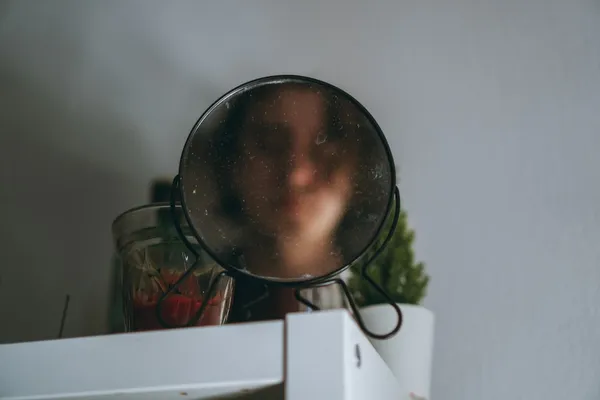
I was discharged in the afternoon, with the prescription to get out of bed as little as possible, exclusively to go to the bathroom. There was no way to sleep: I had pain everywhere, my legs had turned completely black. I took a photo in front of the mirror - then deleted it, in the terror of what I had seen. There was no position that didn't give me pain and pangs. I had continuous tingling and little sensitivity from the pelvis down. Problems going to the bathroom, problems doing everything.
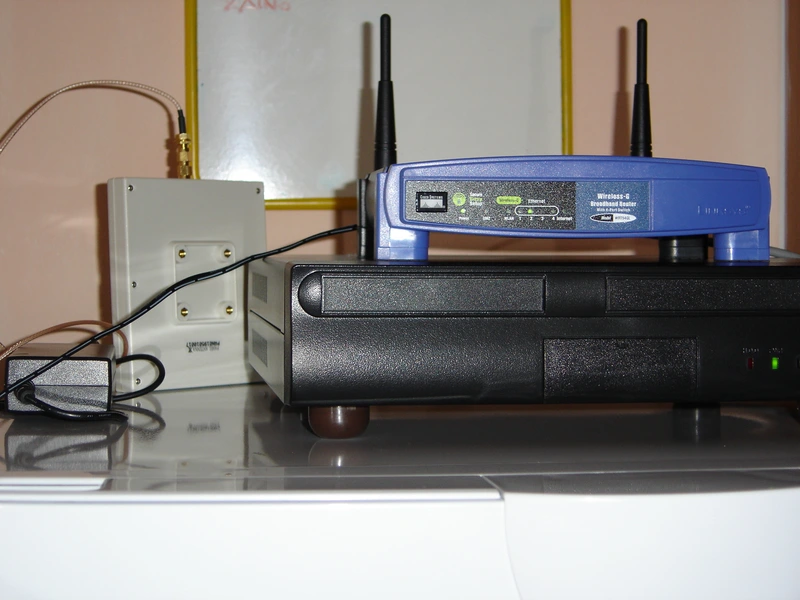
They were terrible days, compounded by a further problem. Because of the false promises of a salesperson, I was also left without an Internet connection. But necessity is the mother of invention, and the discovery that a directional antenna pointed towards the end of the street, where there was an old router with an easily "guessable" WEP password, was like a lifeboat after a shipwreck.
The tingling went on for days, until that morning. The morning I realized I had managed to sleep because I no longer had pain. The "probably" had come true. And it had gone away giving me back, again, my sensitivity.
The doctor confirmed: it was an excellent sign, meaning the healing phase had begun. No serious permanent damage. It would take time, but I would heal.
That day I understood many things - many more than I thought - about myself, about the world around us, and, more specifically, about those around me.
And about the importance of keeping one's access points updated, of course.